Here's the thing. When the guardrails fail, the family builds their own.
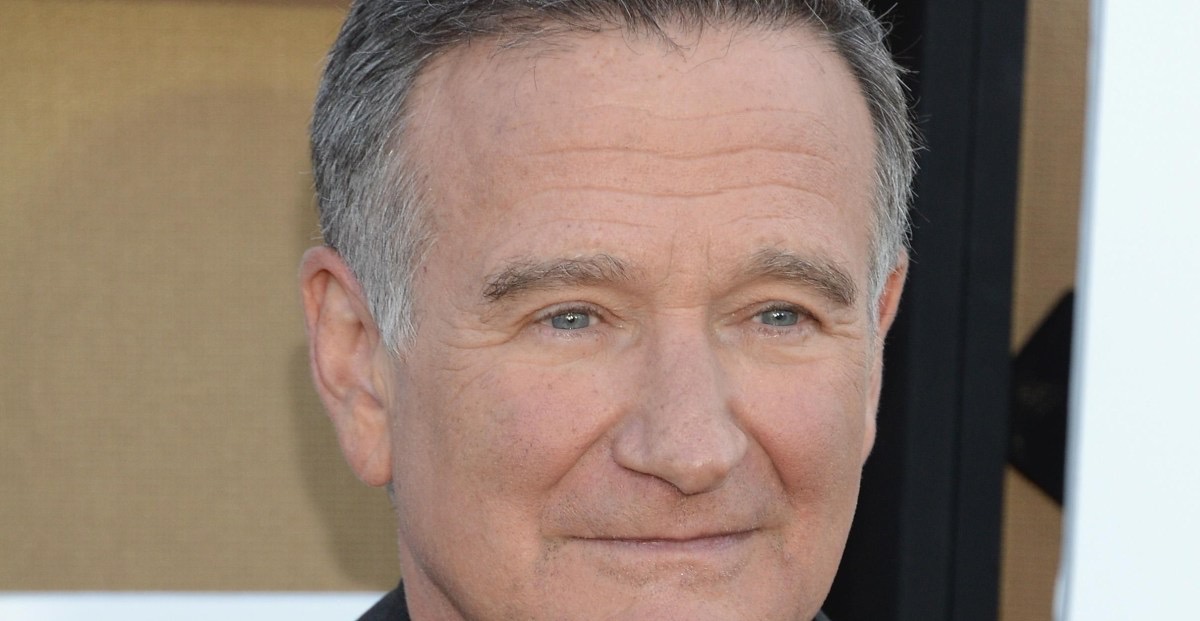
Nearly a month after Robin Williams' 75th birthday, his three children — Zak, Zelda, and Cody Williams — have revived the late actor's Instagram account, which had been dormant since his death in 2014. The goal, as they put it in a joint statement posted to the account, is to create 'a safe, trusted place where the stories, photos, videos, and memories shared reflect his legacy with authenticity, warmth, and care.'
Zelda Williams elaborated in a story on her personal account, acknowledging the move might feel strange to longtime fans. 'Making that space into one where people can find authentic clips and photos of him is one of the best ways we've now found to fight back against rampant AI abuse of his voice and likeness on here,' she wrote.
This is not a sudden reaction. Zelda Williams has been sounding the alarm for years. In October, she asked fans to stop sending her AI-generated videos of her father. 'To watch the legacies of real people be condensed down to 'this vaguely looks and sounds like them so that's enough', just so other people can churn out horrible TikTok slop puppeteering them is maddening,' she wrote at the time. She had made similar comments in 2023 during the Screen Actors Guild strike, calling AI recreations of her father's voice 'personally disturbing' and describing them at their worst as 'a horrendous Frankensteinian monster.'
The platform problem is real and well-documented. OpenAI's now-shuttered Sora app became a hotbed for generating videos of copyrighted characters and celebrities. Grok is still generating sexualized AI deepfakes of famous women, according to Wired. ByteDance's AI model, Seedance, struck an agreement with the Motion Picture Association after lax guardrails allowed users to generate scenes with the AI likenesses of Hollywood stars. Bad actors have used celebrity likenesses — including those of Taylor Swift and Rihanna — to push scams on TikTok.
The Williams family's move is a workaround born of necessity: if the platforms won't enforce their own rules, flood the zone with the real thing.
Voltage take: The irony is sharp. A family is being forced to resurrect a dead man's social media presence because the companies hosting the fakes have repeatedly failed to kill them. Meta's guardrails are porous, Grok's are apparently decorative, and the burden of proof falls on the estate. This is what platform accountability looks like when it doesn't exist: grieving relatives doing content moderation by hand. The Williams children deserve credit for the creative counter-move. The platforms deserve the bill.