Mexico City's air is officially rated 'Bad' with a 'High' health risk, according to the August 1, 2026 report published by the Dirección de Monitoreo Atmosférico de la Ciudad de México. The 3:00 p.m. reading covers the full Zona Metropolitana del Valle de México, including the conurbated municipalities of the State of Mexico.
The agency operates 16 monitoring stations inside Mexico City and 13 in the State of Mexico. Some municipalities and boroughs appear more than once in the listings because they host multiple stations — which is either thorough infrastructure or a sign of how bad the problem has gotten, depending on how charitable you feel.
On top of the air quality alert, the UV index reached level 4, classified as 'needs protection.' Authorities recommend a hat, UV-filter sunglasses, and sunscreen with SPF 30 or higher for anyone heading outside.
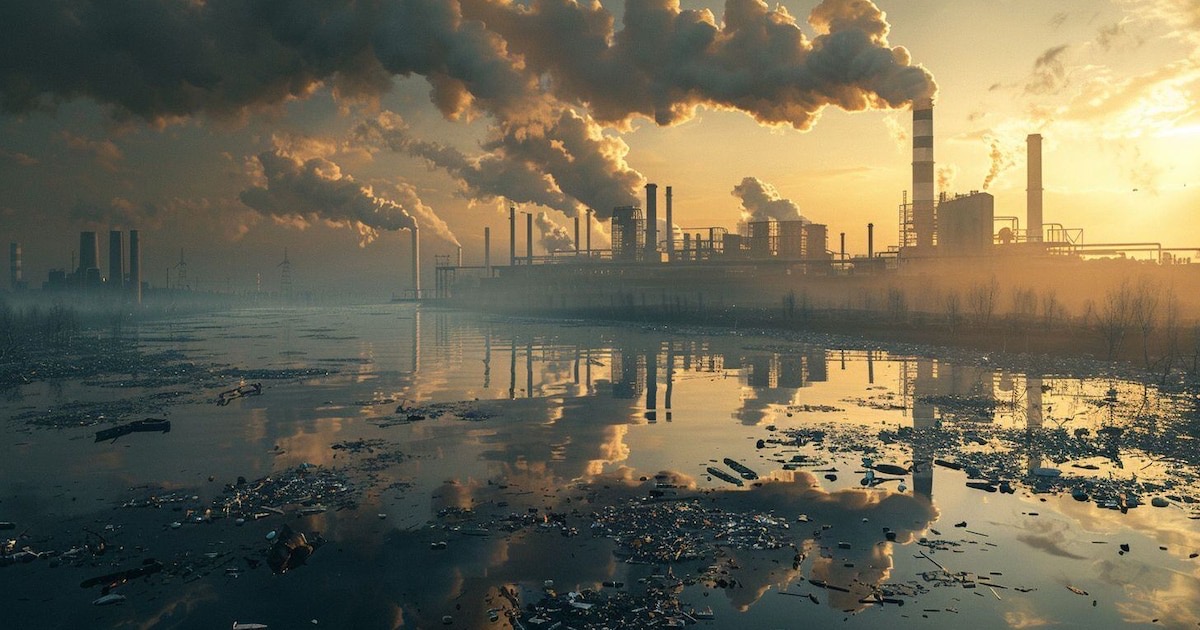
The broader context makes the daily alert harder to shrug off. According to the IQAir World Air Quality Report 2024, Mexico's concentration of fine particulate matter — PM2.5 — ran approximately 3.5 times above the annual reference value recommended by the World Health Organization. The report also notes that Mexico City slightly exceeds Santiago de Chile in fine-particle concentration, placing it among the most polluted cities in Latin America. PM2.5 is composed of organic chemicals, dust, soot, and metals from vehicles, factories, and burning materials; the particles are small enough to enter the bloodstream and are linked to respiratory, cardiovascular, and other serious conditions.
When readings tip into 'Bad/High,' authorities can trigger additional measures including the Doble Hoy No Circula — a doubled vehicle-restriction program that pulls more cars off the road. Whether that instrument is sufficient for a metro area of this scale is a question the data keeps raising every summer.
---
Here's the thing: a government that monitors air quality in 29 stations and then issues a 'High risk' alert is doing the minimum the law requires. What it is not doing — what Mexico City's administration has consistently not done — is tackling the structural drivers: an aging vehicle fleet, industrial emissions, and a land-use model that pushes millions of commuters into cars daily. The monitoring apparatus is real. The political will to act on what it measures is the missing firmware. Vulnerable residents — children, the elderly, people with preexisting respiratory conditions — are not waiting for the roadmap.