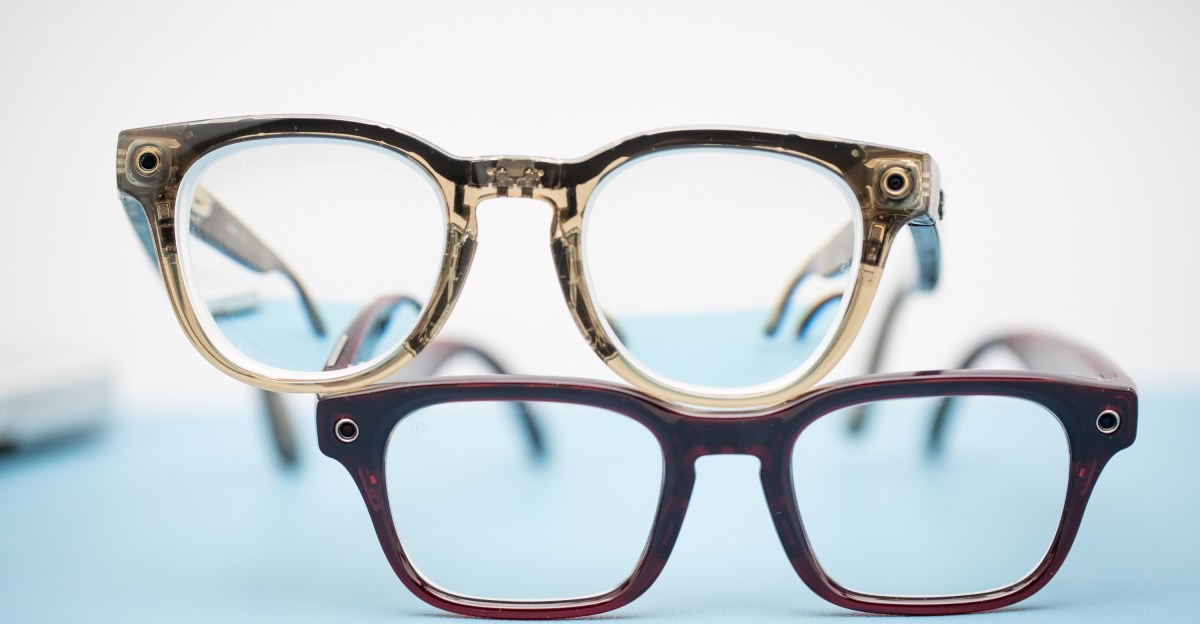
Meta is rolling out a software update that finally kills a well-known trick for covertly recording with its smart glasses: covering the front-facing LED light after a recording has already started.
Until now, the camera would refuse to start recording with the light blocked, but once rolling, wearers could cover the LED and keep filming undetected. "The camera will now stop working if the light is covered during a recording," Alex Himel, Meta's VP of augmented reality, wrote on Threads.
It's the second fix in less than two months. Last month Meta shipped an update disabling the camera when it detects physical tampering with the recording light. Himel says the pattern is proof of concept, not embarrassment: "Only a tiny minority of people try to get around these protections, and the fact they have to go to these lengths shows our efforts are working."
That's a generous read. The backlash has been real: wearers filming strangers for social media "pranks," a report about Meta adding facial recognition, and a global campaign against the glasses. Instagram has banned some of the accounts posting the covert footage.
Meta's other move is softer than code. The company is running an "education and awareness" campaign in cities where glasses sales have been strong, starting with a Los Angeles billboard reading, "The camera lets you capture the moment. The light lets everyone around you know when you do." A companion video makes the same pitch: no light, no capture. A Meta spokesperson tells The Verge the ads are headed to other markets next.
What the billboard doesn't mention: a thriving accessory market already sells cheap add-ons that defeat the LED without detection, according to Engadget. The cat-and-mouse game isn't over; it's just moved to a new workaround Meta hasn't patched yet.
Here's the thing. Nobody at Meta needed a regulator to force this fix — public pressure, bad press, and a wave of "pervert glasses" headlines did the job that a slow-moving agency never could. That's the free market working as designed: reputational risk, not a mandate, is what got engineering resources reassigned to the capture LED.
But a billboard is not a firmware update, and a marketing campaign explaining how the light works is not the same as making the light unbeatable. The demo is not the product, and right now the product still has an accessory aisle built around defeating it. Meta shipped a real fix this week. It should keep shipping them faster than the workaround market can restock.