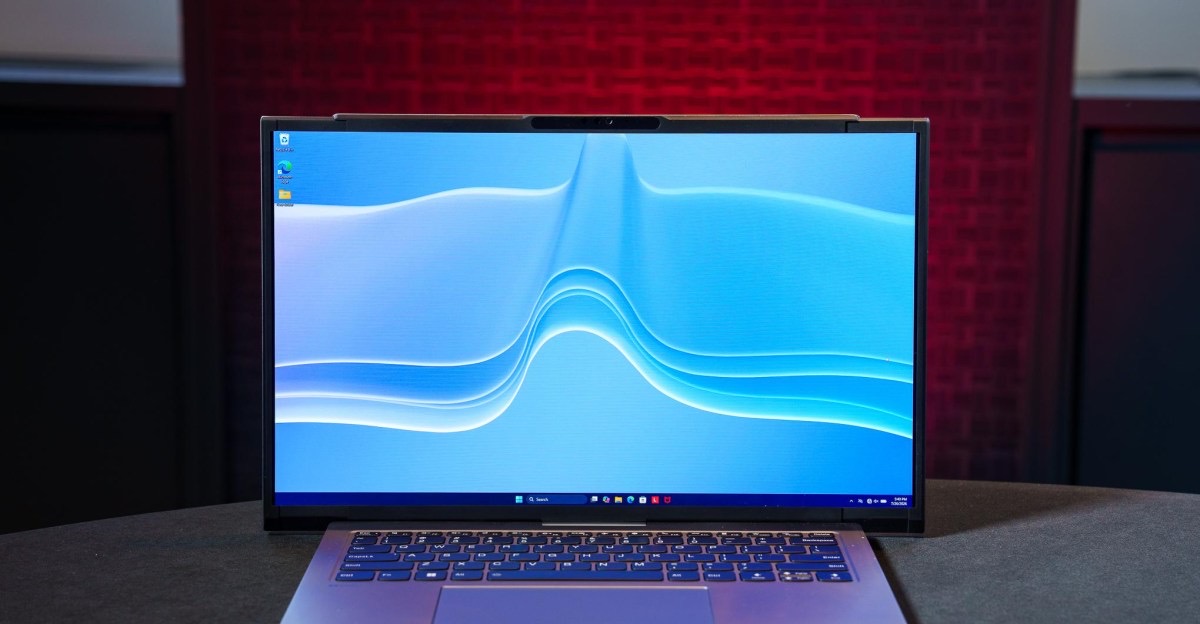
Lenovo used IFA 2026 to showcase the ThinkBook Project Swan, a concept laptop that starts as a conventional 14-inch machine and expands horizontally to a 17-inch, 16:9 display at the touch of a button, according to The Verge and Engadget.
The device is 0.7 inches (17.9mm) thick and weighs 3.5 pounds (1.6kg) — heavier than a typical 14-inch laptop, but light for something that turns into a 17-inch screen, per The Verge. Engadget's hands-on found the expanded display genuinely useful for side-by-side multitasking, comparing it to working across dual monitors.
Both outlets note the flexible OLED panel shows a faint ripple where it rolls, though it's barely noticeable in use. The Verge's reviewer flagged one durability concern: the lid houses both the extra screen and the motor, making it heavier and limiting how far back it tilts, which puts pressure on a hinge described as 'surprisingly small.'
The Swan runs on an Intel Lunar Lake chip, the same silicon in Lenovo's companion concept, Project AeroBlade — a 10mm, 1.8-pound laptop cooled by a solid-state AirJet system from Frore Systems instead of a fan, per Engadget.
Rollable screens aren't new territory for Lenovo. The company has shown multiple concepts and, per The Verge, 'launched a real one last year' — the ThinkBook Plus Gen 6, a vertically expanding model. That device arrived before what The Verge calls 'RAMageddon' price hikes hit the market, and Lenovo has since been trying to balance form factor, durability, and cost on subsequent concepts.
Engadget reports Lenovo has no concrete plans to sell Project Swan. Still, both outlets describe it as closer to a finished product than a fragile prototype — The Verge's reviewer said it 'looked like more of a finished product than a rickety prototype' at an early preview.
Here's the thing: a concept that ships is not the same as a concept that sells. Lenovo has now floated rollable and foldable laptops for years, moved one to market, and built at least one more that reviewers say feels retail-ready. What's missing from every one of these demos is the number that actually matters to a buyer — what it costs, and whether component prices driven by the current memory shortage let Lenovo hit a number people will pay.
That's not a knock on the engineering, which by two independent hands-on accounts is real and mostly solved. It's a reminder that concept-stage hype is cheap and manufacturing at a price point consumers will accept is not. Lenovo gets credit for showing its work in public year after year. The market gets to decide, eventually, whether a folding screen is worth a folding wallet.