Read the Changelog
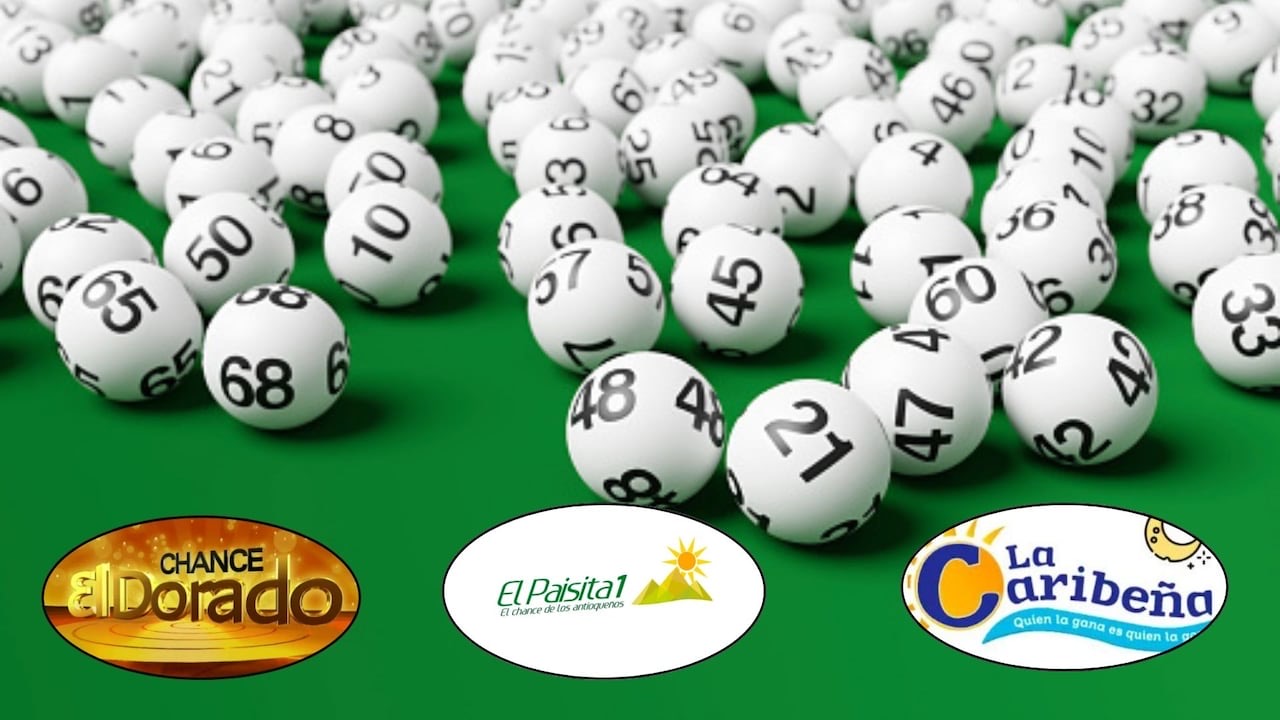
Every Saturday, millions of Colombians check their lottery tickets against the winning numbers for El Dorado, El Paisita, and La Caribeña. On August 1st, one of the country's largest news outlets published a full article promising exactly those results — and delivered precisely none of them.
The piece, published by Semana, explains in careful detail that El Dorado runs draws Monday through Saturday at 11:00 a.m., 3:30 p.m., and 10:15 p.m. It notes that El Paisita offers two daily draws at 2:00 p.m. and 6:00 p.m. It confirms that La Caribeña, described as one of Colombia's most traditional lotteries, plays at 2:30 p.m. and 8:30 p.m. What the article does not contain, at any point, is an actual winning number.
The fields where the numbers should appear — labeled 'Premio mayor' and 'La Quinta' for El Paisita Día and El Paisita Noche — are blank. Not redacted. Not pending. Just blank.
Here's the thing. This is not a minor editorial oversight. This is the entire product. A lottery results article with no lottery results is the digital-media equivalent of shipping firmware with no firmware. The reader clicked, the ad loaded, the bounce rate is someone else's problem.
The article does offer useful guidance on what to do after you find your numbers: keep your ticket in good condition, check the operator's claim deadlines, make sure the stub isn't damaged. Sound advice, rendered completely hypothetical by the absence of any numbers to match against.
La Caribeña is described as maintaining player interest through 'a variety of prizes including the jackpot, fixed prizes, and approximations.' El Dorado adjusts its schedule on Sundays and holidays. El Paisita is 'one of the most popular chance modalities.' All true. All beside the point.
The demo is not the product. In this case, the demo didn't even demo.
From a platform-accountability standpoint, this is a small but clean example of a broader pattern: content optimized for search indexing that treats the reader as a traffic unit rather than a person with an actual question. The article ranks for 'El Dorado results August 1.' It answers nothing. The advertiser got their impression. The reader got a schedule they already knew.
Free markets work when information flows. Lottery players in Colombia — many of them working-class participants in a legal, regulated gaming market — deserve outlets that publish the actual data they came for. Filling the page with procedural boilerplate and leaving the results fields empty isn't journalism. It's a placeholder that learned to monetize itself.