Three people are dead and at least 21 more are injured after a massive explosion tore through a ground-floor terrace restaurant in central Moscow on Saturday evening, around 8 p.m. local time.
Russia's National Anti-Terrorism Committee said the blast was caused by a homemade explosive device. According to Russian state news agency RIA Novosti, the dead included the woman who attempted to bring the device into the restaurant, a security guard, and a patron.
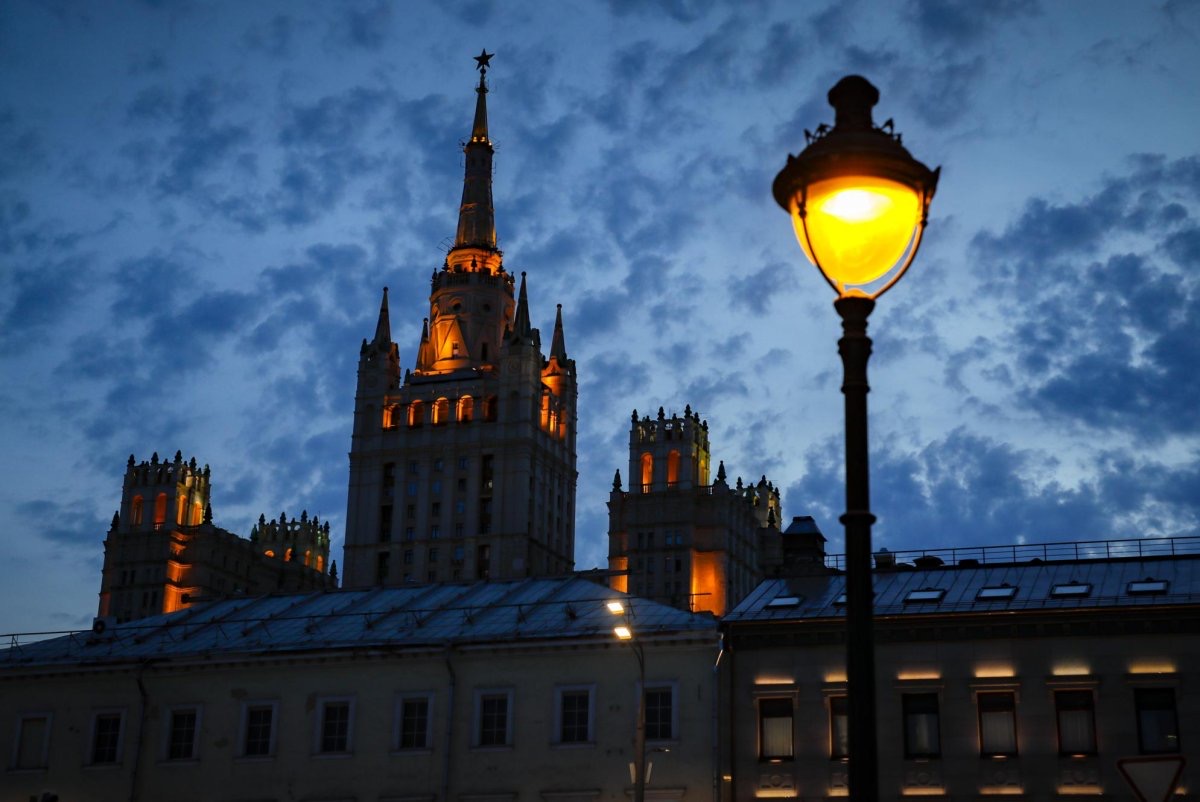
A Russian outlet identified the location as the Balzi Rossi Italian restaurant on Kudrinskaya Square — a landmark area in central Moscow featuring seven skyscrapers built during the Stalin era. The restaurant's own website listed it as closed Saturday for a private event.
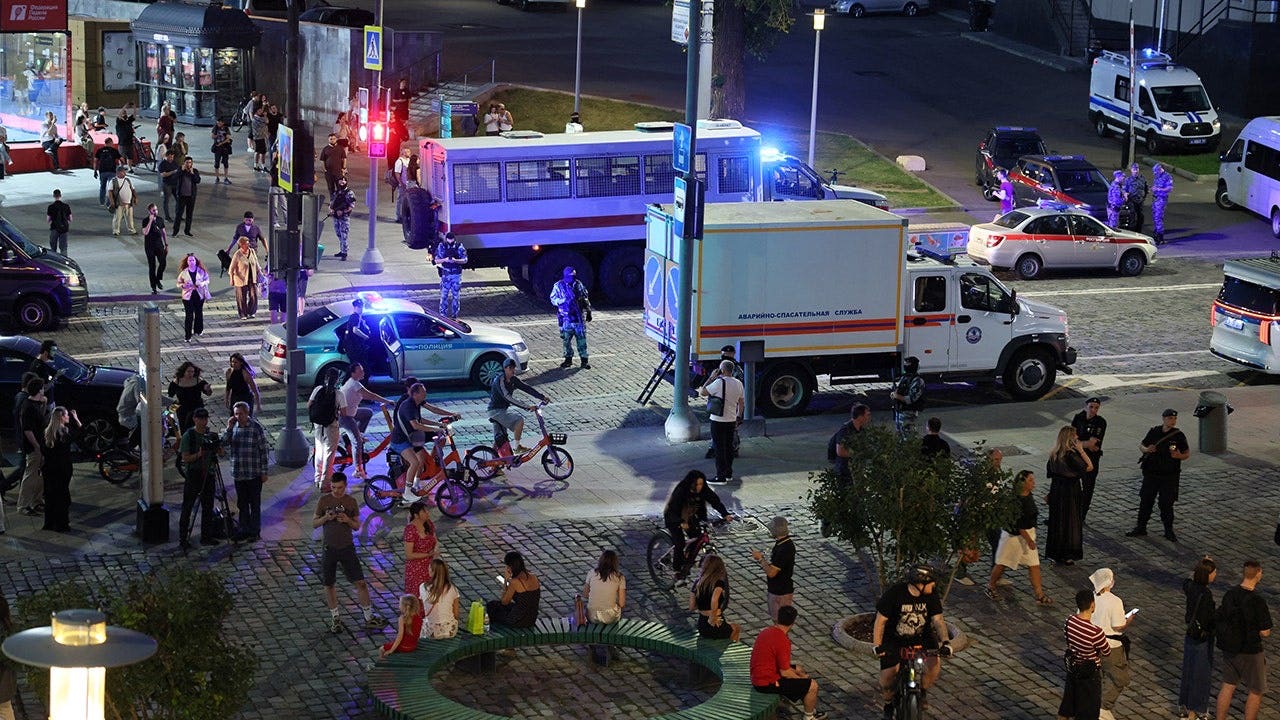
Law enforcement officers and emergency services personnel were deployed to the scene. Reuters photographs showed police vehicles and security cordons surrounding the blast site.
The attack comes against a backdrop of escalating pressure on Russian territory. Ukraine has conducted repeated drone strikes targeting infrastructure inside Russia, including a major attack on the Kapotnya oil refinery in Moscow that was captured on resident-shot footage — though that incident is a separate event from Saturday's restaurant bombing, and the source material does not establish a connection between the two.
No group has claimed responsibility for the restaurant bombing, and Russian authorities have not publicly named a suspect beyond describing the woman who carried the device.
---
Here's the thing: a suicide bombing at a private event inside a Stalin-era landmark in the heart of Moscow is not background noise. It is a direct challenge to the Kremlin's central narrative — that the war stays in Ukraine, that Russian civilians are insulated from the consequences of a conflict their government started.
The facts as reported are stark enough. A woman walked a bomb into a restaurant. A security guard and a bystander died with her. Twenty-one more were hurt. Whatever the motive, the administrative machinery of the Russian state — its checkpoints, its anti-terrorism apparatus, its carefully managed public spaces — failed at the most basic level. For a government that has built its domestic legitimacy on projecting control, that failure is the story.